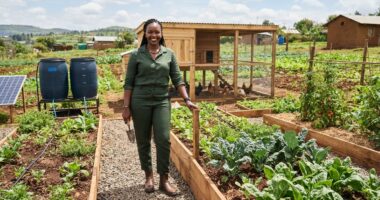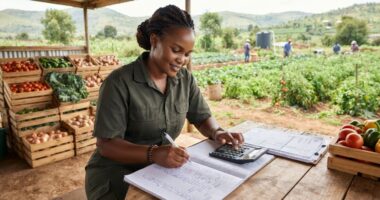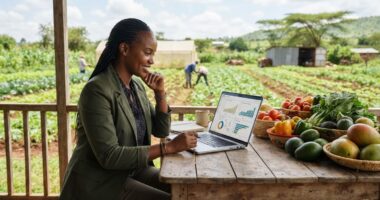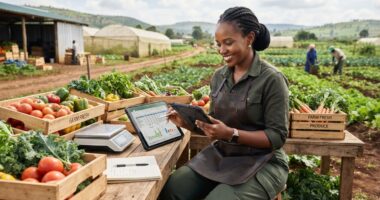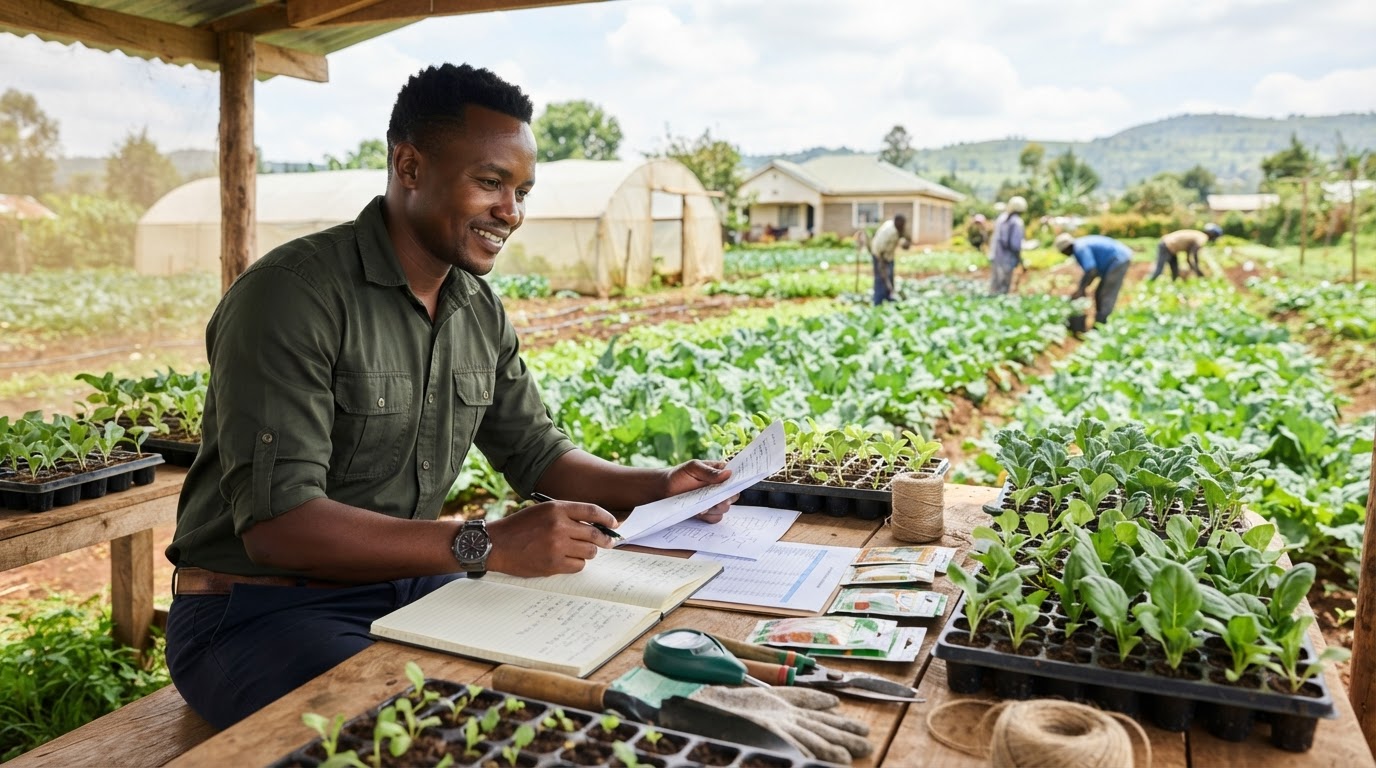
Starting a farming business with limited capital may seem challenging, but small agricultural projects can provide opportunities to gain experience, test local markets and generate modest sales.
With $100, the most practical approach is to focus on short-cycle crops, small production spaces and existing resources rather than capital-intensive livestock operations.
What Farming Businesses Can You Start with $100?
The following projects may be feasible where suitable space, water and some equipment are already available.
| Farming business | Illustrative starting budget | First sale |
| Vegetable seedlings | $30–$80 | 3–6 weeks |
| Leafy vegetables | $60–$100 | 4–10 weeks |
| Culinary herbs | $40–$100 | 1–3 months |
| Microgreens | $50–$100 | 1–3 weeks |
| Small mushroom trial | $70–$100 | 4–8 weeks |
| Container vegetables | $40–$100 | 1–3 months |
| Compost production | $30–$80 | Several months |
| Sweet potato vine nursery | $40–$100 | Varies by growing conditions |
Market Demand and Business Opportunities
Leafy vegetables, seedlings and herbs can serve households, local produce vendors and small restaurants.
Seedling production may also provide opportunities to supply other small-scale farmers during planting seasons.
Who Is This Business Model For?
Micro-scale farming may suit students, unemployed individuals, working professionals, urban residents and beginners who want to gain agricultural experience without substantial financial exposure.
Land and Space Requirements
A 50–100 m² vegetable plot may be sufficient for a small pilot project. Seedling nurseries and microgreens can operate in smaller spaces with suitable growing conditions.
African Climate and Seasonal Considerations
Use seasonal rainfall where appropriate to reduce irrigation costs.
In dry regions, select production units that can be watered reliably. In humid regions, maintain adequate drainage and airflow to reduce fungal disease pressure.
Best Crops for a $100 Farming Budget
Potential crops include spinach, Swiss chard, kale, amaranth, rape greens, spring onions, coriander and locally demanded vegetable seedlings.
Choose varieties according to local temperatures, buyer preferences and seed availability.
Detailed Startup Budget: 100 m² Leafy Vegetable Garden
| Startup expense | Amount |
| Seeds | $10 |
| Compost and manure | $15 |
| Fertilizer | $15 |
| Basic tools | $15 |
| Watering equipment | $15 |
| Crop protection | $10 |
| Packaging and transport | $10 |
| Emergency reserve | $10 |
| Total startup capital | $100 |
This model assumes free access to land and an existing water source.
Equipment and Supplies
Basic requirements include a hoe, watering can, seeds, mature compost, harvesting containers and appropriate protective equipment.
Borrowing or sharing tools may reduce initial capital requirements.
How to Start Farming with $100
Step 1: Research Your Local Market
Identify vegetables or seedlings that customers purchase regularly.
Step 2: Prepare a Small Production Area
Clear weeds, improve soil fertility and prepare suitable planting beds.
Step 3: Purchase Quality Seeds
Choose locally adapted varieties from reputable suppliers.
Step 4: Stagger Planting
Plant smaller sections at different times to spread harvests.
Step 5: Maintain Your Crops
Water consistently, monitor pests and remove weeds.
Step 6: Sell Directly to Customers
Use pre-orders and local sales channels to reduce transportation expenses.
Fertilizer and Irrigation Management
Use mature compost and appropriate fertilizer applications based on crop needs.
Mulching and efficient hand watering may help conserve moisture. Avoid using contaminated water on vegetables intended for fresh consumption.
Disease and Pest Management
Common threats include aphids, caterpillars, damping-off and fungal leaf diseases.
Maintain appropriate spacing, inspect plants regularly and follow local guidance when using registered crop protection products.
Production Timeline and Expected Yields
Leafy vegetables may reach their first harvest within four to ten weeks.
Repeated harvesting may be possible depending on the selected crop, plant health and management system.
Market Prices and Profit Analysis
Assume recurring production expenses of $65 per model growing period, including an allowance for labour.
| Financial indicator | Conservative | Typical model | Favourable |
| Marketable bundles | 200 | 350 | 500 |
| Selling price per bundle | $0.20 | $0.30 | $0.35 |
| Revenue | $40 | $105 | $175 |
| Operating expenses | $65 | $65 | $65 |
| Operating surplus | -$25 | $40 | $110 |
Bundle weights should be standardized. The favourable scenario may require multiple harvests and reliable demand.
Break-Even Analysis
At $0.30 per bundle, approximately 217 bundles must be sold to cover $65 in recurring expenses.
Where to Sell
Sell to neighbours, vegetable vendors, community markets, small restaurants and direct household customers.
Risks and Challenges
A limited budget leaves little room for water shortages, pest outbreaks or unsold produce. Avoid committing the entire $100 before accounting for production and selling expenses.
How to Grow a $100 Farming Business
Use available surplus to purchase additional seeds, improve irrigation, expand cultivated space and establish recurring customers.
Frequently Asked Questions
Is $100 enough to start farming?
It may be sufficient for a small vegetable, seedling or mushroom trial where land and basic resources already exist.
Can I start poultry farming with $100?
A very small project may be possible using existing housing, but feed and animal health costs can quickly exceed this budget.
Which crops grow quickly?
Microgreens, some leafy vegetables and certain seedlings have relatively short production cycles.
Can a $100 farm become a commercial business?
Gradual expansion may be possible through successful production, reinvestment and reliable sales.