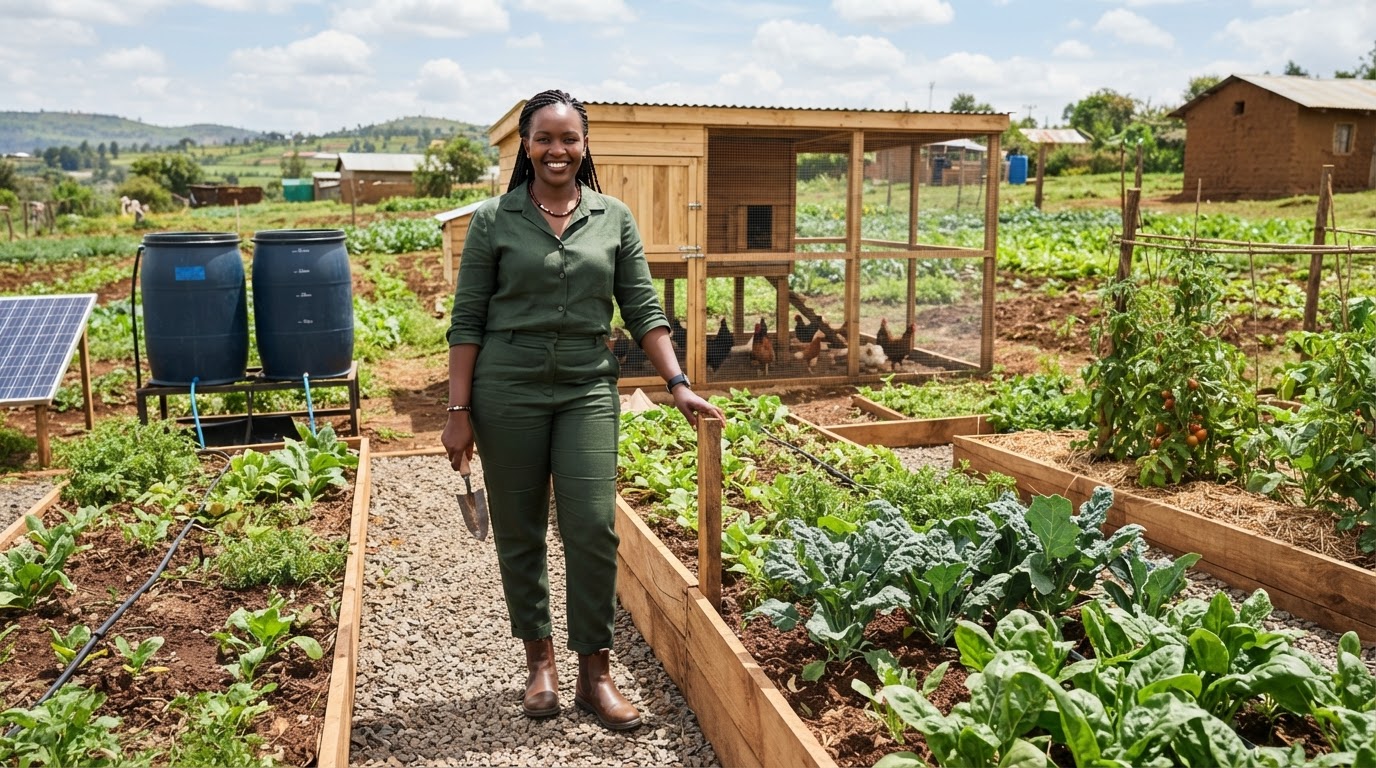
A $500 farming budget can provide more flexibility than a micro-scale agricultural project. With careful planning, aspiring farmers may explore small poultry operations, mushroom production, vegetable farming and other manageable agribusiness opportunities.
The objective should be to establish a complete production cycle without exhausting working capital.
Best Farming Businesses for a $500 Budget
| Farming business | Example scale | Illustrative capital |
| Broiler farming | 50 birds | $350–$500 |
| Oyster mushrooms | 100 bags | $150–$500 |
| Leafy vegetables | 200–400 m² | $200–$500 |
| Seedling nursery | Small commercial unit | $150–$400 |
| Beekeeping | 2–5 hives | $250–$500 |
| Indigenous chickens | 20–40 birds | $250–$500 |
| Rabbit farming | Small breeding unit | $250–$500 |
| Herb farming | 100–200 m² | $150–$400 |
| Watermelon farming | Small irrigated plot | $300–$500 |
| Microgreens | Small indoor unit | $150–$500 |
Existing infrastructure may be necessary to remain within the budget.
Market Demand and Commercial Opportunities
Broilers, vegetables and eggs may serve established local markets. Mushrooms, herbs and microgreens require more targeted research because customer demand may be concentrated in urban areas.
Who Is This Farming Budget Suitable For?
A $500 farming project may suit beginners, part-time farmers, young entrepreneurs and households looking to establish a manageable agricultural enterprise.
Land, Climate and Water Requirements
A small poultry project requires secure, ventilated housing and continuous access to clean water.
Vegetable production requires suitable soil and reliable irrigation during dry periods.
In hot African climates, livestock heat stress and water shortages can increase production expenses.
Choosing Suitable Crops and Breeds
Select commercially available broiler chicks, locally adapted indigenous chickens or vegetable varieties suited to your production environment.
Avoid unfamiliar breeds or specialty crops without reliable technical support.
Detailed Startup Budget: 50-Broiler Project
| Startup expense | Estimated cost |
| 50 day-old chicks | $50 |
| Feed | $140 |
| Housing improvements | $90 |
| Feeders and drinkers | $40 |
| Health supplies | $20 |
| Heating and bedding | $30 |
| Labour | $30 |
| Utilities and transportation | $30 |
| Emergency reserve | $70 |
| Total startup capital | $500 |
This example assumes an existing structure that can be safely adapted for poultry production.
Equipment and Supplies
Essential equipment includes feeders, drinkers, suitable brooding equipment, thermometers, bedding, cleaning supplies and secure feed storage.
Step-by-Step Production Guide
Step 1: Identify Potential Buyers
Obtain selling-price quotations from households, butcheries and poultry vendors.
Step 2: Prepare Poultry Housing
Ensure adequate ventilation, security, sanitation and appropriate stocking density.
Step 3: Purchase Quality Chicks
Use a reputable hatchery and confirm health documentation where applicable.
Step 4: Follow an Appropriate Feeding Programme
Provide nutritionally balanced starter, grower and finisher feed according to supplier and professional guidance.
Step 5: Monitor Growth and Health
Record mortality, feed consumption and bird weights.
Step 6: Arrange Sales Before Market Age
Confirm customer orders and suitable transportation or processing arrangements.
Feeding and Water Management
Feed consumption varies according to genetics, market weight, temperature and management.
Use actual feed supplier recommendations and monitor consumption rather than assuming every production cycle will require the same quantity.
Disease Management and Biosecurity
Common poultry health threats include Newcastle disease, coccidiosis and infectious bursal disease.
Use veterinary-guided vaccination programmes, restrict unnecessary visitors and maintain clean housing and drinking equipment.
Production Timeline and Expected Yields
Broilers commonly reach market requirements within approximately five to eight weeks, depending on breed, feeding and customer preferences.
Revenue and Profit Analysis
Recurring operating expenses in this example total $300.
| Financial indicator | Conservative | Typical model | Favourable |
| Saleable chickens | 45 | 48 | 49 |
| Selling price per bird | $5.50 | $6.50 | $7.00 |
| Revenue | $247.50 | $312 | $343 |
| Operating expenses | $300 | $300 | $300 |
| Operating surplus | -$52.50 | $12 | $43 |
The first cycle also requires $130 in housing and equipment expenditure. Under the typical scenario, the first-cycle cash result before reserve spending would be a $118 deficit.
Break-Even Analysis
At 48 saleable birds, the operating break-even selling price is $6.25 per bird.
This demonstrates how small poultry projects can have narrow margins when paid labour and other expenses are included.
Alternative $500 Farming Budget: Oyster Mushrooms
| Expense | Cost |
| Growing-room preparation | $100 |
| Spawn | $65 |
| Substrate materials | $70 |
| Bags and consumables | $35 |
| Shelving | $70 |
| Sanitation and water | $30 |
| Labour and transport | $80 |
| Emergency reserve | $50 |
| Total | $500 |
Compare both projects using actual buyer prices and expected production before selecting one.
Where to Sell
Potential customers include households, restaurants, fresh produce vendors, supermarkets and agricultural markets.
Risks and Challenges
Small production units may have higher costs per unit than larger farms. Other risks include disease outbreaks, unreliable buyers and rising feed or substrate prices.
How to Scale the Business
Expand only when production records demonstrate that the project can cover recurring expenses and gradually recover infrastructure investments.
Frequently Asked Questions
Can I start broiler farming with $500?
A 50-bird project may be possible using existing suitable housing and locally affordable inputs.
Is mushroom farming better than poultry farming?
Neither is universally better. Compare market demand, production skills, capital requirements and operating margins.
Should I spend the entire $500 on production?
No. Retain sufficient funds for unexpected expenses and delayed sales.
What is the fastest farming project for $500?
Microgreens, leafy vegetables and mushrooms may offer relatively short production cycles.