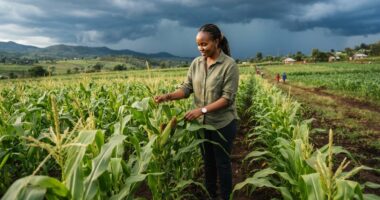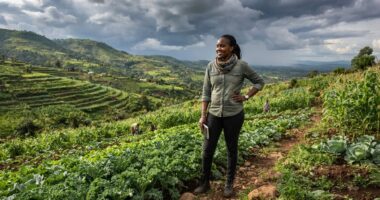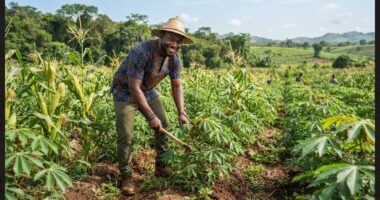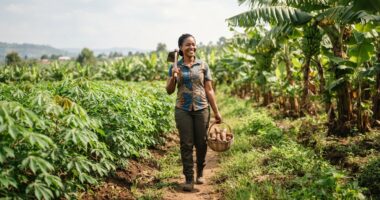
Southern Africa offers diverse agricultural opportunities, including commercial grain production, horticulture, poultry farming and livestock production.
Understanding the Southern African farming calendar can help farmers select appropriate crops, manage seasonal expenses and identify favourable planting and harvesting periods.
Understanding Southern Africa’s Farming Climate
Much of Zimbabwe, Zambia, Malawi, Botswana, Mozambique and the interior of South Africa experiences summer rainfall and relatively dry winters.
However, coastal areas, highlands, arid regions and South Africa’s winter-rainfall areas have different agricultural conditions.
Southern Africa Seasonal Farming Calendar
Market Demand and Seasonal Opportunities
Maize, vegetables, poultry products, soybeans and livestock feed ingredients serve established agricultural markets across Southern Africa.
Irrigated winter horticulture may allow farmers to supply vegetables when rain-fed production is limited, although frost, water costs and local market competition must be considered.
Who Is This Farming Guide For?
This guide is suitable for farmers in Zimbabwe, Zambia, Malawi, Botswana, Mozambique, Namibia, South Africa, Lesotho and Eswatini.
Country-Specific Farming Considerations
| Country | Important agricultural considerations |
| Zimbabwe | Agroecological regions, summer rainfall and winter irrigation |
| Zambia | Rain-fed maize, soybean production and regional rainfall differences |
| Malawi | Rain-fed maize, legumes and variable rainfall |
| Botswana | Low rainfall, livestock production and water efficiency |
| Namibia | Arid conditions, livestock and carefully managed irrigation |
| Mozambique | Tropical conditions, flooding and cyclone exposure |
| South Africa | Diverse climates, including winter-rainfall regions |
| Lesotho | Highland temperatures, frost and shorter growing seasons |
| Eswatini | Highland and lowveld production differences |
Best Crops to Grow in Southern Africa
Summer Crops
Maize, soybeans, groundnuts, sorghum, sunflower, cowpeas and watermelons.
Winter and Cool-Season Crops
Wheat, peas, cabbage, carrots, onions and selected leafy vegetables where conditions are suitable.
Irrigated High-Value Crops
Tomatoes, peppers, cucumbers, strawberries and herbs.
Startup Cost Breakdown: Quarter-Hectare Winter Vegetable Project
| Expense | Estimated cost |
| Land preparation | $70 |
| Seeds and seedlings | $60 |
| Fertilizer and compost | $120 |
| Irrigation equipment | $200 |
| Crop protection | $60 |
| Labour | $130 |
| Water and electricity | $70 |
| Packaging and transportation | $80 |
| Emergency reserve | $60 |
| Total startup capital | $850 |
This model assumes access to land and an existing water source.
Equipment and Supplies
Farmers may require irrigation lines, pumps, hand tools, seedling trays, frost protection materials, harvesting containers and appropriate protective clothing.
Step-by-Step Seasonal Farming Guide
January–March: Summer Crop Management
Monitor weeds, pests, crop nutrition, rainfall and drainage. Begin harvesting suitable early-maturing crops.
April–June: Harvesting and Winter Preparation
Harvest summer crops, dry grain safely, prepare irrigated winter plots and assess soil fertility.
July–September: Winter Production and Summer Planning
Maintain irrigated vegetables and wheat where appropriate. Arrange inputs, repair equipment and prepare for the summer season.
October–December: Summer Planting
Plant according to reliable rainfall onset, soil moisture, local forecasts and crop-specific recommendations.
Fertilizer and Irrigation Management
Use soil testing to guide nutrient applications. Irrigated crops require consistent water management, particularly during dry winter months.
Farmers should avoid over-irrigation, which may increase nutrient losses and root disease.
Disease and Pest Management
Summer crops may experience fall armyworm, fungal diseases and excessive moisture stress.
Winter vegetables may face aphids, diamondback moth, downy mildew and frost damage.
Use crop rotation, appropriate planting dates, healthy seedlings and regular field inspections.
Production Timeline and Expected Yields
For a quarter-hectare irrigated cabbage project, assume the following marketable production scenarios.
| Financial indicator | Conservative | Typical model | Favourable |
| Marketable heads | 3,000 | 4,500 | 5,500 |
| Selling price/head | $0.15 | $0.25 | $0.35 |
| Revenue | $450 | $1,125 | $1,925 |
| Operating expenses | $590 | $590 | $650 |
| Operating surplus | -$140 | $535 | $1,275 |
Break-Even Analysis
At $590 in operating expenses and a selling price of $0.25 per cabbage, approximately 2,360 marketable heads must be sold.
Including the initial $200 irrigation investment increases first-cycle cash break-even volume to 3,160 heads.
Where to Sell Agricultural Produce
Potential buyers include fresh produce markets, supermarkets, grain traders, agricultural cooperatives, food processors and restaurants.
Risks and Challenges
Drought, frost, heatwaves, electricity disruptions, rising input prices and seasonal oversupply can affect Southern African farming businesses.
How to Scale the Business
Invest in reliable irrigation, crop diversification, staggered planting, improved storage and stronger buyer relationships.
Frequently Asked Questions
When is maize planted in Southern Africa?
In many summer-rainfall areas, maize is planted between October and December after suitable rainfall onset.
Can I farm during winter in Zimbabwe?
Yes. Irrigated wheat, onions, cabbage, peas and other suitable crops may be grown during winter.
What crops are suitable for dry areas?
Sorghum, millet, cowpeas and locally adapted drought-tolerant crops may be appropriate.
Is winter farming more profitable?
Not necessarily. Higher selling prices must be compared with irrigation, energy and other seasonal production costs.