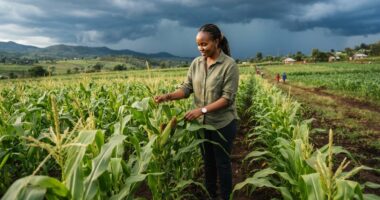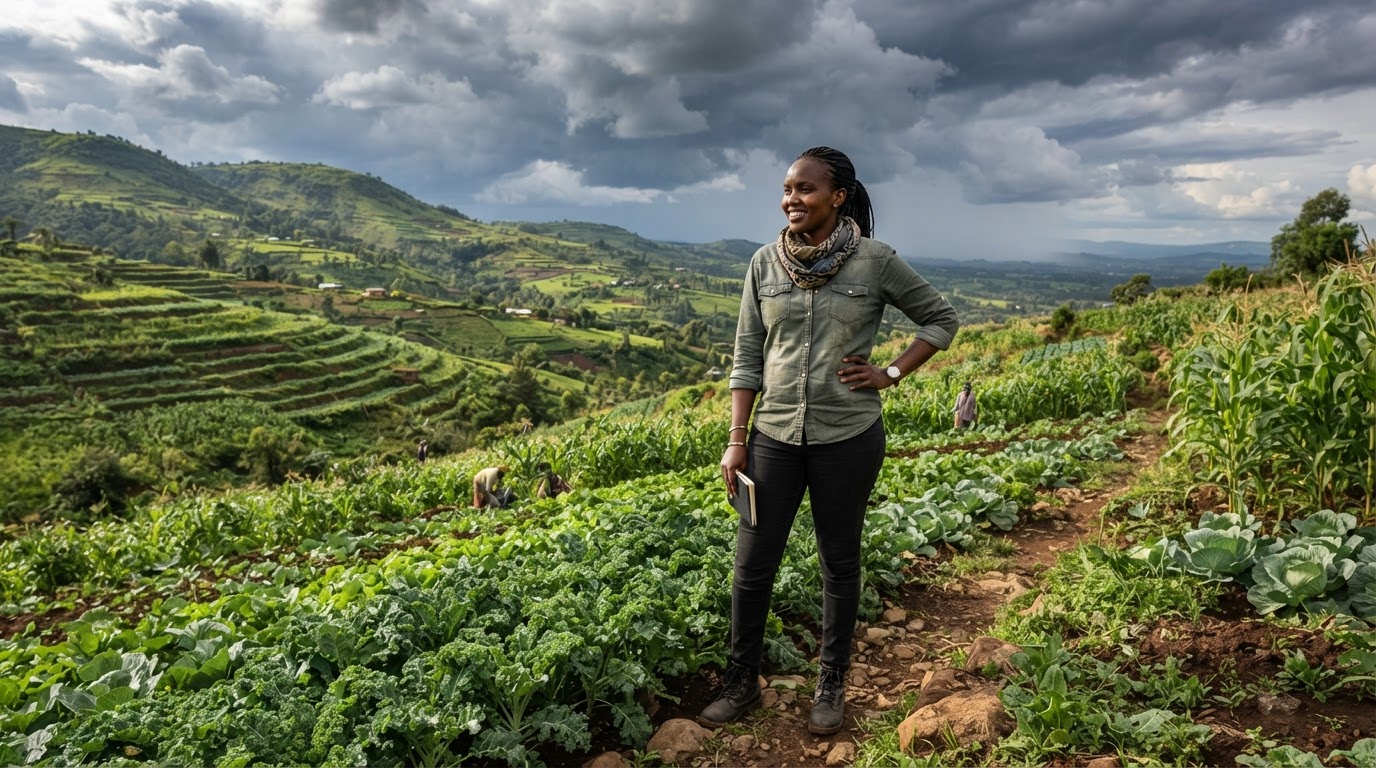
East Africa is home to diverse agricultural environments, ranging from fertile highlands and tropical coastal regions to semi-arid lowlands.
Understanding East Africa’s long and short rainy seasons can help farmers plan crop production, reduce weather-related losses and identify seasonal agricultural business opportunities.
Understanding East Africa’s Agricultural Climate
Many equatorial areas of Kenya, Uganda, northern Tanzania and southern Somalia experience two rainfall seasons.
Long rains: Generally March to May.
Short rains: Generally October to December.
Main dry periods: Often January to February and June to September.
These patterns are not universal. Much of central and southern Tanzania experiences a single main rainy season, while Ethiopia has distinct seasonal rainfall systems.
East Africa Farming Calendar
Market Demand and Agricultural Opportunities
East African farmers may find opportunities in staple food production, commercial horticulture, dairy farming, coffee, tea and livestock production.
Urban markets in Kenya, Uganda, Tanzania, Rwanda and Ethiopia create demand for vegetables, fruit, eggs, milk and other agricultural products.
Export horticulture may provide additional opportunities for farmers who can meet relevant quality, traceability and certification requirements.
Who Is This Guide For?
This guide is suitable for beginner farmers, agricultural entrepreneurs, smallholders and commercial producers operating across East Africa.
Country-Specific Agricultural Conditions
| Country | Important farming considerations |
| Kenya | Bimodal rainfall in many areas, highland horticulture and dryland farming |
| Uganda | Tropical agriculture, bananas, coffee and regional rainfall differences |
| Tanzania | Bimodal northern areas and unimodal central and southern regions |
| Rwanda | Highland agriculture, erosion control and intensive land use |
| Ethiopia | Main Kiremt rains, Belg rains in some areas and highland agriculture |
| Burundi | Highland farming, soil conservation and seasonal rainfall |
| Somalia | Gu and Deyr rainfall seasons, drought and irrigation dependence |
| South Sudan | Predominantly seasonal rainfall with regional variation |
Best Crops to Grow in East Africa
Long-Rain Season Crops
Maize, beans, potatoes, vegetables and other crops suited to longer growing periods.
Short-Rain Season Crops
Early-maturing beans, cowpeas, sorghum, millet and suitable vegetables.
Highland Commercial Crops
Potatoes, cabbage, peas, carrots, coffee, tea and selected fruits.
Semi-Arid Farming Crops
Sorghum, millet, pigeon peas, cowpeas and drought-tolerant maize varieties.
Startup Cost Breakdown: One-Hectare Bean Farming
| Expense | Estimated cost |
| Land preparation | $90 |
| Quality bean seeds | $100 |
| Fertilizer and soil amendments | $100 |
| Planting labour | $50 |
| Weed management | $60 |
| Pest and disease management | $60 |
| Harvesting and threshing | $80 |
| Transportation | $40 |
| Emergency reserve | $70 |
| Total startup capital | $650 |
Equipment and Supplies
Essential requirements include planting tools, weed management equipment, protective clothing, drying sheets, storage bags and appropriate grain storage facilities.
Step-by-Step Seasonal Production Guide
Step 1: Identify the Local Rainfall Season
Determine whether your farm experiences one or two main growing seasons.
Step 2: Select Appropriate Bean Varieties
Choose varieties adapted to local temperatures, rainfall, disease pressure and market preferences.
Step 3: Prepare Land Before Rainfall Onset
Improve drainage, control weeds and prepare planting areas.
Step 4: Plant at Suitable Soil Moisture
Avoid planting solely because the first rainfall event has occurred.
Step 5: Manage Crop Growth
Monitor weeds, soil moisture, nutrient requirements and pest activity.
Step 6: Harvest and Store Safely
Harvest mature beans, dry them to locally recommended safe storage moisture levels and protect against storage pests.
Fertilizer and Water Management
Beans can benefit from appropriate phosphorus availability, suitable soil pH and effective biological nitrogen fixation.
Avoid unnecessary fertilizer applications. Use soil testing and local agronomic guidance.
Supplementary irrigation may be valuable during flowering and pod development where water is available.
Disease and Pest Management
Common bean production threats include anthracnose, angular leaf spot, bacterial blight, bean stem maggot and aphids.
Use healthy seed, crop rotation, suitable varieties and regular crop inspections.
Production Timeline and Expected Yields
Depending on variety and environment, dry beans may mature within approximately 70–120 days.
Market Prices and Profit per Hectare
| Financial indicator | Conservative | Typical model | Favourable |
| Marketable bean yield | 600 kg | 1,200 kg | 1,800 kg |
| Selling price/kg | $0.65 | $0.85 | $1.00 |
| Revenue | $390 | $1,020 | $1,800 |
| Operating expenses | $580 | $580 | $650 |
| Operating surplus | -$190 | $440 | $1,150 |
Break-Even Analysis
At $580 in operating expenses and a selling price of $0.85 per kilogram, approximately 683 kg of marketable beans must be sold.
Where to Sell
Potential buyers include grain traders, agricultural cooperatives, supermarkets, food processors, schools, restaurants and household customers.
Risks and Challenges
Delayed rains, drought, flooding, bean diseases, post-harvest losses and price fluctuations can affect profitability.
How to Scale the Business
Expand through improved seed selection, crop rotation, storage facilities, supplementary irrigation and dependable grain buyers.
Frequently Asked Questions
When are the long rains in Kenya?
In many bimodal rainfall areas, the long rains generally occur between March and May.
What crops grow during the short rains?
Early-maturing beans, cowpeas, sorghum and suitable vegetables may be appropriate.
Can East African farmers harvest twice a year?
Some farmers can complete two production cycles where rainfall, crop maturity and soil conditions allow.
Which East African crops are suitable for dry areas?
Sorghum, millet, pigeon peas and cowpeas are worth investigating.