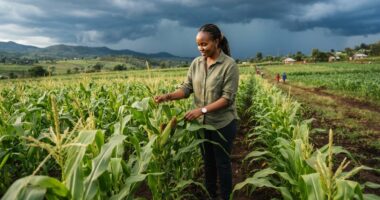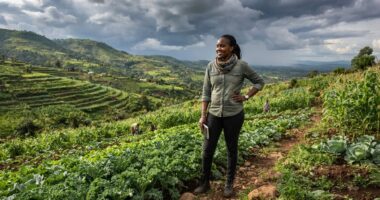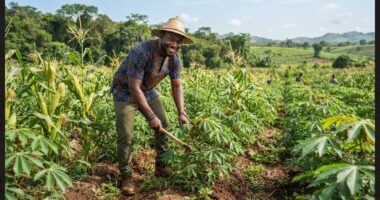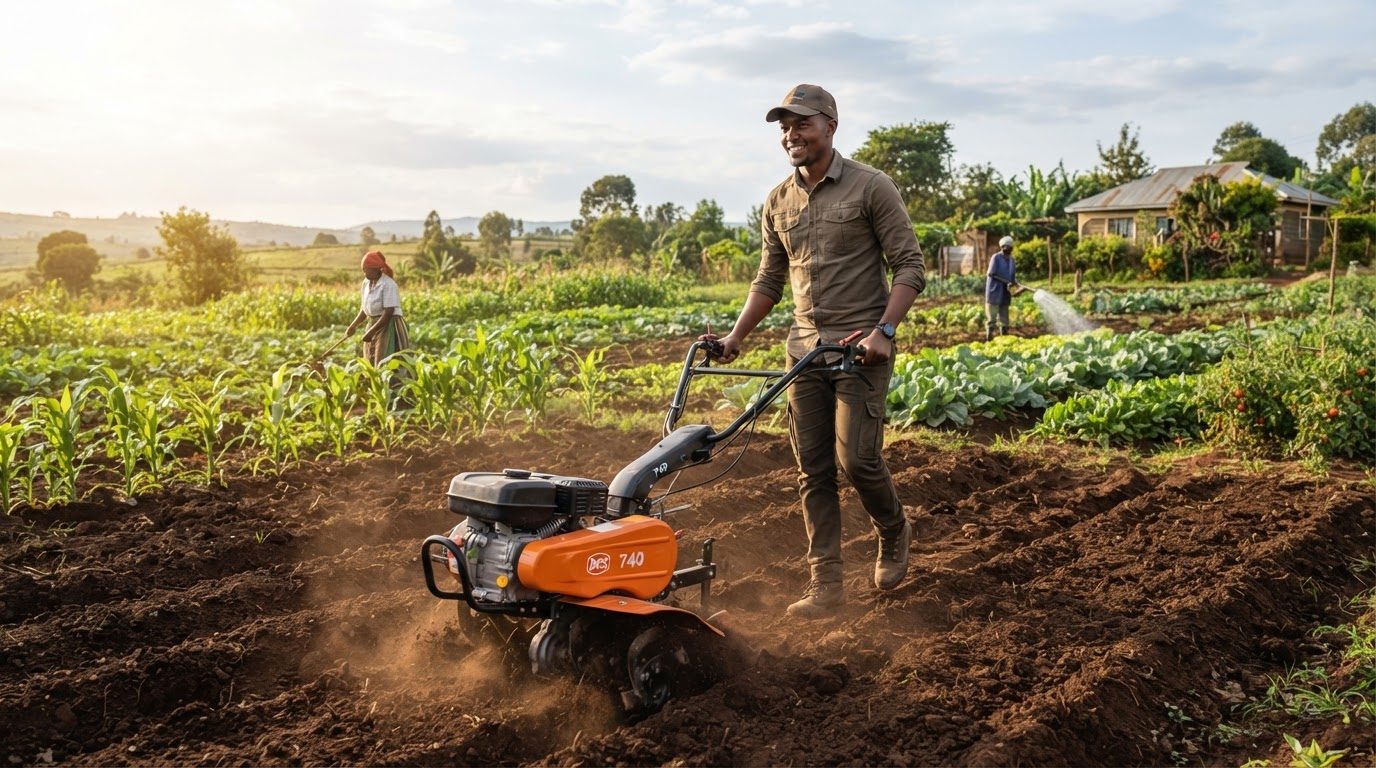
Proper land preparation can improve crop establishment, water management, weed control and production efficiency.
Whether you are starting a vegetable garden, cultivating one hectare of maize or establishing a commercial horticulture project, preparing your land correctly is an important agricultural investment.
What Is Agricultural Land Preparation?
Land preparation involves assessing and organizing farmland to create suitable conditions for crop production.
Depending on the farming system, this may include clearing existing weeds, soil testing, drainage improvements, cultivation, bed formation and irrigation installation.
Why Land Preparation Matters
Appropriate land preparation can support healthy root development, reduce erosion, improve water infiltration and make planting and harvesting more efficient.
Excessive cultivation, however, can damage soil structure and increase erosion.
Market Demand and Commercial Planning
Before preparing land, identify the intended crops, potential buyers, production scale and expected market demand.
Land preparation should support a defined agricultural business plan rather than simply maximizing cultivated area.
Who Is This Guide For?
This guide is suitable for beginner farmers, small-scale commercial growers, horticultural producers and agricultural entrepreneurs developing new production areas.
Land and Space Requirements
| Farming project | Example starting area |
| Backyard vegetables | 50–200 m² |
| Seedling nursery | 50–200 m² |
| Commercial leafy vegetables | 200–1,000 m² |
| Small tomato project | 0.25 hectare |
| Commercial cabbage project | 0.25–0.5 hectare |
| Small-scale maize farming | 1 hectare |
| Mixed horticulture | 0.5–2 hectares |
African Climate and Land Preparation
Farmers in summer-rainfall areas should complete essential preparations before suitable planting rains.
Humid tropical farms require effective drainage, while semi-arid farms should prioritize moisture conservation and erosion prevention.
Sloping land may require contour-aligned production systems or other professionally designed soil conservation measures.
Choosing a Suitable Farming Site
Evaluate soil depth, fertility, slope, drainage, water access, road access, previous land use and security.
Confirm land tenure, environmental requirements and water access before making substantial investments.
Startup Cost Breakdown: One-Hectare Land Preparation
| Expense | Estimated cost |
| Site assessment and layout | $30 |
| Soil testing | $50 |
| Existing weed and vegetation management | $80 |
| Tractor or cultivation service | $120 |
| Secondary cultivation or bed preparation | $70 |
| Organic amendments | $120 |
| Labour | $80 |
| Basic drainage improvements | $60 |
| Emergency reserve | $60 |
| Total land preparation budget | $670 |
This model assumes existing agricultural land and excludes major fencing, tree clearing, borehole installation and crop production inputs.
Equipment and Supplies
Common land preparation equipment includes hoes, spades, rakes, measuring tools, wheelbarrows, cultivation equipment and suitable protective clothing.
Larger farms may hire tractors or specialized planting equipment instead of purchasing machinery.
How to Prepare Farmland: Step-by-Step Guide
1
Assess land and water
Confirm soil conditions, access, drainage and production suitability.
2
Test the soil
Identify nutrient deficiencies, acidity and other limitations.
3
Manage existing vegetation
Control weeds while protecting valuable soil cover and habitats.
4
Prepare the planting area
Use suitable cultivation, minimum tillage or planting beds.
5
Install water management
Establish appropriate drainage and irrigation infrastructure.
6
Apply recommended amendments
Use soil-based fertilizer, compost and lime recommendations.
7
Plant and monitor
Establish crops at suitable spacing and moisture conditions.
Choosing a Land Preparation Method
| Method | Potential advantages | Important considerations |
| Manual cultivation | Low machinery investment | Labour-intensive |
| Animal-drawn cultivation | Useful where locally available | Animal welfare and suitability |
| Tractor cultivation | Faster preparation of larger areas | Hiring costs and compaction |
| Minimum tillage | Reduced soil disturbance | Requires appropriate weed management |
| No-till production | Soil cover and moisture conservation | Specialized management may be needed |
| Raised beds | Improved drainage in suitable soils | Labour and irrigation requirements |
Fertilizer and Soil Improvement
Apply suitable amendments according to soil analysis and crop requirements.
Avoid unnecessary fertilizer purchases before completing soil assessments.
Irrigation and Drainage Management
Install irrigation before planting where necessary. Confirm that water can reach all production areas and that excess water can drain safely without causing erosion or damage to neighbouring land.
Disease and Pest Management
Land preparation provides an opportunity to address previous crop residues, volunteer plants, weeds and drainage problems that may contribute to pest and disease pressure.
Maintain appropriate crop rotation and avoid transferring contaminated soil or equipment between farms.
Production Timeline
| Activity | Indicative preparation period |
| Site assessment | 1–3 days |
| Soil sampling and analysis | Several days to several weeks |
| Weed management | Depends on method and vegetation |
| Land cultivation | 1–5 days |
| Irrigation installation | Several days or longer |
| Soil amendment application | According to recommendations |
| Final planting preparation | 1–3 days |
A small project may require several weeks of preparation before planting.
Financial Benefits and Break-Even Analysis
Assume an additional $200 land preparation improvement increases marketable maize production from 2,000 kg to 3,000 kg.
| Financial indicator | Basic preparation | Improved preparation |
| Marketable yield | 2,000 kg | 3,000 kg |
| Selling price/kg | $0.30 | $0.30 |
| Revenue | $600 | $900 |
| Total relevant production expenses | $600 | $800 |
| Surplus | $0 | $100 |
The additional $200 expenditure requires approximately 667 kg of additional marketable maize to recover its cost at $0.30 per kilogram, assuming no further expenses.
Improved land preparation does not guarantee increased yields; weather, crop nutrition and management also influence production.
Where to Find Agricultural Services
Potential service providers include tractor contractors, agricultural cooperatives, irrigation suppliers, soil laboratories and agricultural extension departments.
Risks and Challenges
Over-cultivation, soil compaction, erosion, inadequate drainage, unsuitable land selection and unexpected infrastructure expenses are common challenges.
How to Scale the Business
Expand cultivated land gradually, improve machinery access and establish production systems that protect long-term soil health.
Frequently Asked Questions
How much does it cost to prepare one hectare?
Costs vary considerably according to soil conditions, labour, machinery hire and required improvements.
Should farmers plough every season?
Not necessarily. Minimum-tillage and no-till systems may be appropriate depending on soil, crop and management conditions.
Can I start farming without a tractor?
Yes. Many small-scale farms use manual cultivation or hire machinery when required.
When should farmland be prepared?
Complete essential preparation before the intended planting window while avoiding unnecessary soil disturbance or cultivation under unsuitable moisture conditions.