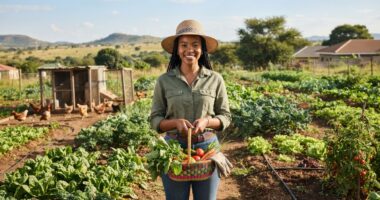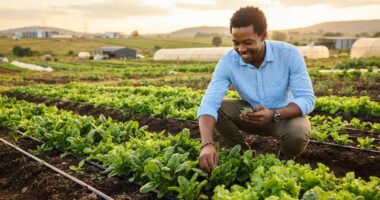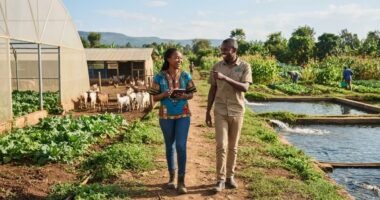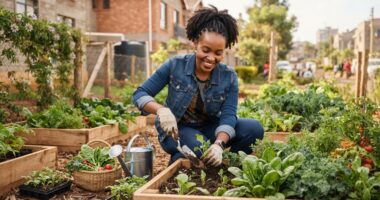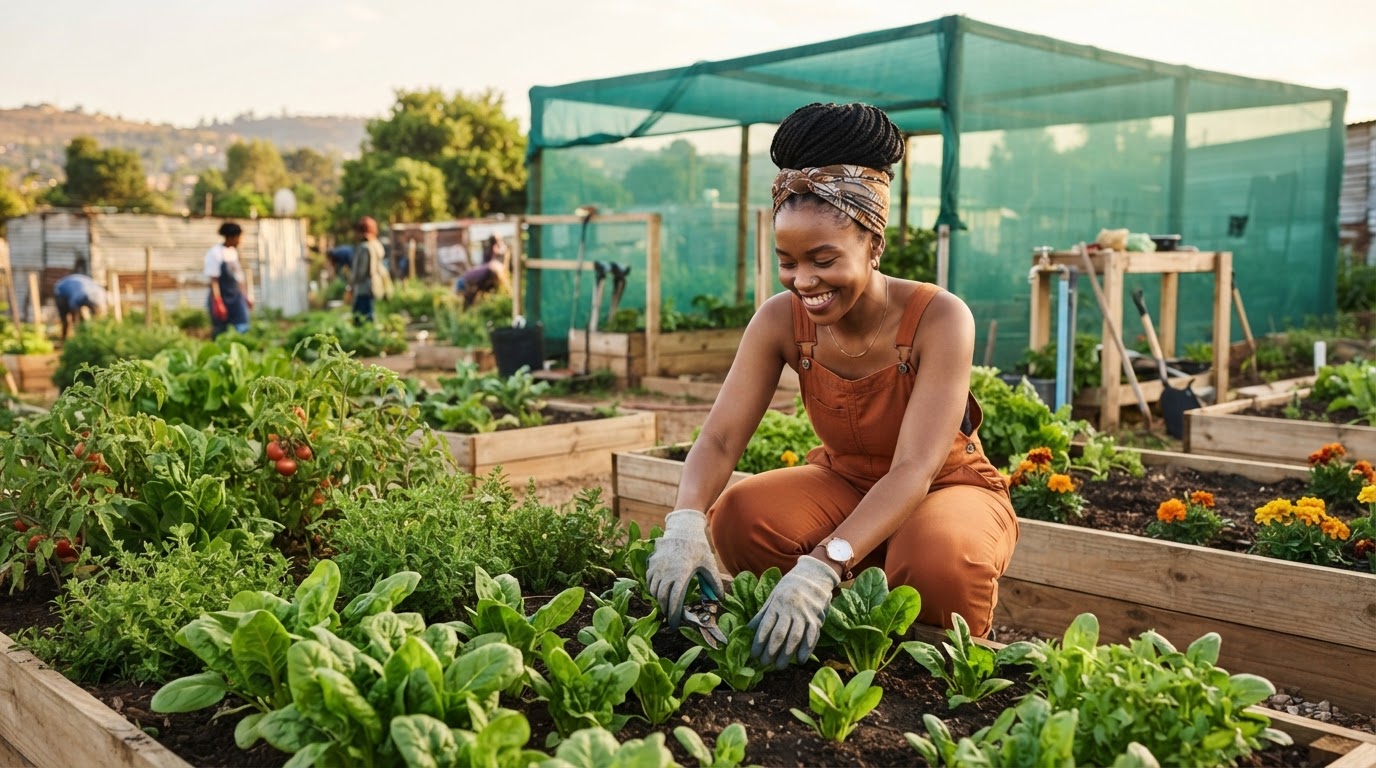
Land ownership is not always a prerequisite for starting an agricultural business. Many aspiring farmers can explore land leasing, shared farming arrangements, urban agriculture and space-efficient production systems.
The key is securing lawful, reliable access to suitable production space without creating financial obligations that undermine profitability.
Can You Start Farming Without Buying Land?
Yes. Depending on local land laws and available arrangements, farmers may rent land, enter partnerships, use authorized family land or operate agricultural businesses within existing buildings.
These alternatives may reduce initial capital requirements compared with purchasing agricultural property.
Farming Opportunities Without Land Ownership
| Farming model | Production space |
|---|---|
| Leased horticulture | Rented agricultural plot |
| Mushroom farming | Suitable rented room |
| Microgreens | Indoor production space |
| Container farming | Authorized backyard or courtyard |
| Seedling nursery | Small rented plot |
| Poultry farming | Approved rented livestock facility |
| Share farming | Partner's agricultural land |
| Beekeeping | Authorized apiary site |
| Hydroponics | Suitable rented structure |
Market Demand and Business Opportunities
Urban and peri-urban farming may provide access to households, restaurants, retailers and fresh produce markets.
Space-efficient production can reduce land requirements but does not eliminate infrastructure, utility and regulatory costs.
Who Is Farming Without Land Best For?
This approach may suit young entrepreneurs, urban residents, working professionals and beginners who cannot afford to purchase agricultural land.
Land, Climate and Water Requirements
When leasing agricultural land, investigate soil fertility, water access, drainage, road access, security and local growing conditions.
In drought-prone regions, avoid committing to horticulture without verifying the reliability and legal availability of irrigation water.
How to Find Agricultural Land to Rent
Potential sources include private landowners, farming associations, agricultural cooperatives, community programmes and authorized land-leasing arrangements.
Verify that the person offering the land has the legal authority to lease it.
Important Agricultural Lease Terms
A written agreement should address rental payments, lease duration, water rights, infrastructure ownership, permitted farming activities, termination conditions and access arrangements.
Ensure the lease lasts long enough to complete production and recover planned investments.
Startup Cost Breakdown: Leased Vegetable Farming
Example: A 500 m² vegetable production plot.
| Startup expense | Estimated cost |
|---|---|
| Initial land rental | $100 |
| Land preparation | $60 |
| Seeds and seedlings | $40 |
| Fertilizer and compost | $80 |
| Basic irrigation | $120 |
| Tools | $50 |
| Crop protection | $40 |
| Labour | $80 |
| Water and utilities | $40 |
| Packaging and transport | $40 |
| Contingency | $50 |
| Total startup capital | $700 |
The rental figure is a hypothetical charge for the model production period, not a verified agricultural lease price.
Equipment and Supplies
Use portable irrigation equipment, hand tools and reusable harvesting containers where practical. Avoid permanent improvements without written permission and clear ownership arrangements.
How to Start Farming Without Land Ownership
Step 1: Choose a Suitable Farming Model
Determine whether leased land, indoor production or shared farming suits your circumstances.
Step 2: Investigate Available Sites
Evaluate location, water, soil, security and transportation.
Step 3: Negotiate a Written Agreement
Clearly establish rental costs, production rights and responsibilities.
Step 4: Research Your Market
Identify buyers before purchasing production inputs.
Step 5: Start with a Small Project
Avoid substantial infrastructure investments until the arrangement proves reliable.
Step 6: Maintain Financial Records
Include rent and utility expenses when calculating profitability.
Fertilizer, Irrigation and Disease Management
Conduct soil testing where practical and select crops suitable for the site.
Use appropriate irrigation, crop rotation, sanitation and locally recommended pest management methods.
Production Timeline and Expected Yields
A 500 m² leafy vegetable project may begin producing marketable harvests within four to ten weeks, depending on crop selection and growing conditions.
Staggered planting can spread harvesting and sales over a longer production period.
Market Prices and Profit Analysis
Assume recurring production expenses of $440, including land rent.
| Scenario | Conservative | Typical | Favourable |
|---|---|---|---|
| Marketable bundles | 1,000 | 1,800 | 2,500 |
| Assumed price per bundle | $0.25 | $0.35 | $0.40 |
| Revenue | $250 | $630 | $1,000 |
| Operating expenses | $440 | $440 | $440 |
| Operating surplus | -$190 | $190 | $560 |
These assumptions represent cumulative sales during a model production period, not a guaranteed yield from one harvest.
Break-Even Analysis
At $0.35 per bundle, approximately 1,258 bundles must be sold to cover operating expenses of $440.
Where to Sell
Leased peri-urban farms may supply local vegetable vendors, grocery shops, restaurants, households and fresh produce markets.
Risks and Challenges
Land leasing introduces risks such as unexpected rent increases, early termination, disputes over water access and restrictions on infrastructure development.
Obtain appropriate local legal advice before signing significant agricultural lease agreements.
How to Scale Your Farming Business
Negotiate longer-term leases after demonstrating commercial viability, increase cultivated area gradually and consider land ownership only when financially justified.
Frequently Asked Questions
Can I farm without buying agricultural land?
Yes. Leasing, authorized shared farming and indoor production may provide alternatives.
Is renting farmland cheaper than buying?
Renting generally requires less initial capital, but long-term costs and lease conditions must be evaluated.
Can I start a poultry business on rented land?
Potentially, provided the lease permits livestock production and the facility meets local regulations.
What can I farm in a small urban space?
Herbs, microgreens, seedlings and mushrooms may be suitable, subject to space, water, hygiene and regulatory requirements.