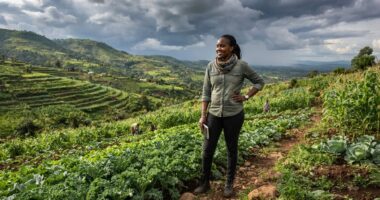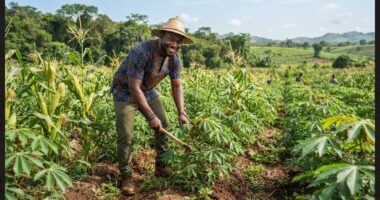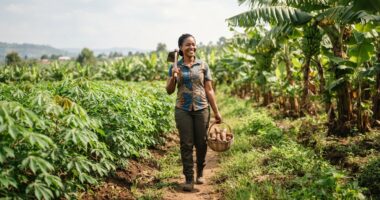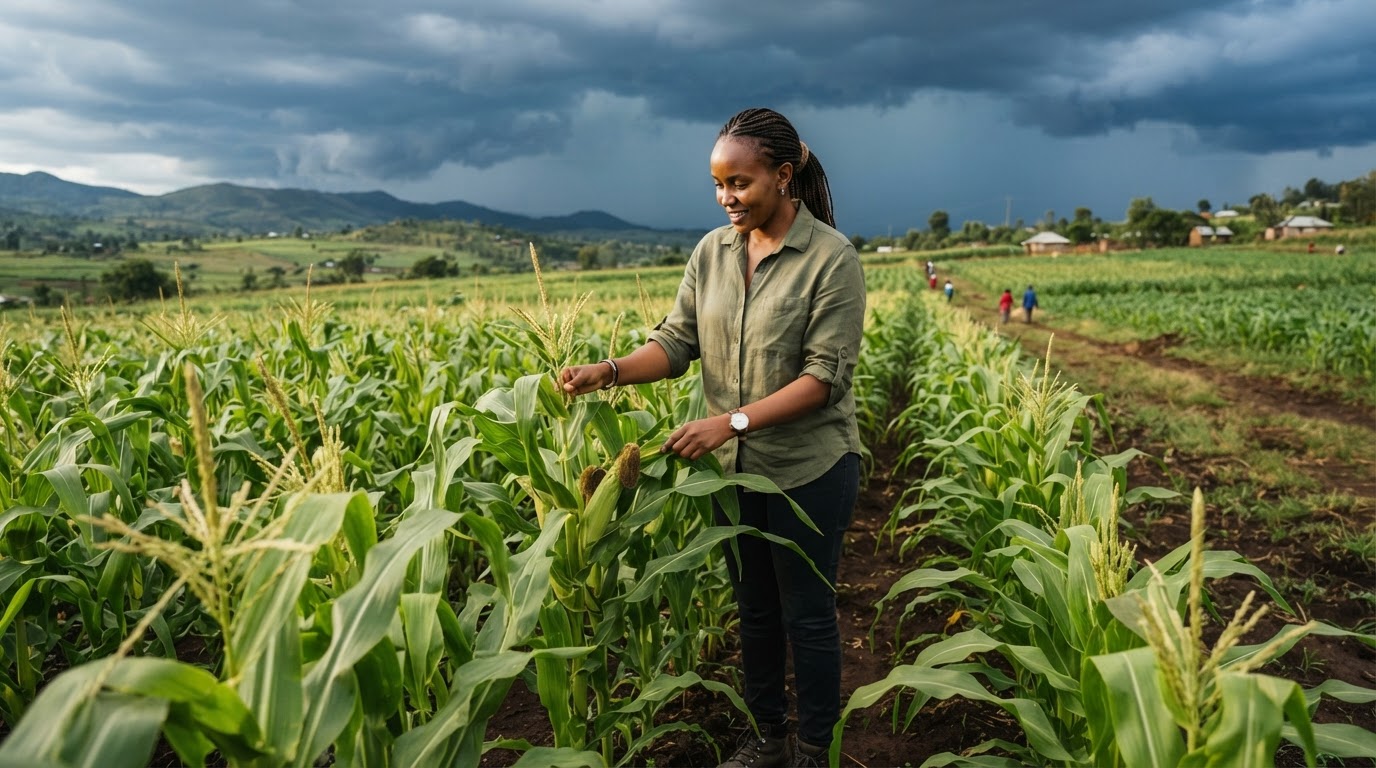
Understanding African farming seasons is one of the most important steps toward establishing a successful agricultural business. Africa has diverse climates, ranging from tropical rainforests and humid coastal regions to semi-arid grasslands, highland environments and desert regions.
These climatic differences influence what farmers can grow, when crops should be planted, how much irrigation is required and when agricultural products become available for sale.
Understanding Africa’s Agricultural Climate
Africa does not have a single farming season. Agricultural production varies according to latitude, altitude, rainfall distribution, temperature, soil conditions and water availability.
Market Demand and Seasonal Farming Opportunities
Seasonal agricultural production influences market supply and selling prices.
When many farmers harvest the same crop simultaneously, wholesale prices may decline. Farmers with reliable irrigation, storage facilities or staggered planting programmes may be able to supply markets during periods of reduced availability.
However, off-season farming can involve higher irrigation, energy and disease management costs.
Who Should Understand Agricultural Seasons?
This guide is suitable for beginner farmers, commercial crop producers, livestock farmers, agricultural entrepreneurs, part-time farmers and anyone planning an agricultural investment.
African Rainfall and Planting Seasons
| Region | Indicative main rainfall period |
| Zimbabwe and much of Zambia | November–March/April |
| South Africa’s summer-rainfall areas | October–March |
| Equatorial Kenya | March–May and October–December in many areas |
| Northern Tanzania | March–May and October–December in some areas |
| Northern Nigeria | Approximately May–September/October |
| Southern Ghana | Often March–July and September–November |
| Equatorial Central Africa | Rainfall across much of the year, with local peaks |
| Mediterranean North Africa | Mainly autumn through spring |
Farmers should use local meteorological information rather than treating these periods as fixed planting dates.
Best Crops for Different African Climates
Semi-Arid Regions
Sorghum, pearl millet, cowpeas, sesame and locally adapted groundnuts may be suitable where rainfall is limited.
Humid Tropical Regions
Cassava, plantains, bananas, cocoa and selected tropical vegetables may perform well under suitable soil and drainage conditions.
Highland Regions
Potatoes, cabbage, peas, coffee and temperate vegetables may benefit from cooler growing conditions.
Irrigated Agricultural Regions
Tomatoes, onions, peppers, cucumbers and leafy vegetables may offer commercial opportunities where water and markets are reliable.
Seasonal Farming Startup Budget
Illustrative one-hectare rain-fed maize production project.
| Expense | Estimated cost |
| Land preparation | $100 |
| Seeds | $60 |
| Fertilizer and soil amendments | $180 |
| Planting labour | $60 |
| Weed management | $60 |
| Pest management | $40 |
| Harvesting | $80 |
| Transportation | $50 |
| Emergency reserve | $70 |
| Total startup capital | $700 |
Equipment and Supplies
Seasonal farming may require hand tools, planting equipment, rain gauges, protective clothing, harvesting containers and suitable storage facilities.
Farmers should consider access to weather forecasts and agricultural extension services as part of their production planning.
How to Plan Your Farming Season
Step 1: Identify Your Agroecological Zone
Determine local rainfall patterns, temperatures, soil conditions and water availability.
Step 2: Study Historical Rainfall
Identify typical rainfall onset, dry spells and the end of the growing season.
Step 3: Select Appropriate Crop Varieties
Choose varieties with maturity periods suited to the expected growing season.
Step 4: Prepare Land Before Planting
Complete essential land preparation before reliable planting rains begin.
Step 5: Monitor Seasonal Weather Forecasts
Adjust planting decisions according to current local conditions.
Step 6: Plan Harvesting and Marketing
Estimate harvesting dates and identify potential buyers before production begins.
Fertilizer and Water Management
Fertilizer applications should reflect soil test results and expected crop requirements.
In areas with unreliable rainfall, farmers should consider split nutrient applications where appropriate, soil moisture conservation, mulching and supplementary irrigation.
Seasonal Disease and Pest Management
Wet and humid conditions can increase fungal and bacterial disease pressure. Dry and hot conditions may encourage certain insect pests and increase crop stress.
Common threats include fall armyworm, aphids, locusts, fungal leaf diseases and root rot.
Regular field scouting, crop rotation and integrated pest management are essential.
Production Timeline and Expected Yields
A rain-fed maize crop may require approximately three to six months to reach maturity, depending on variety and climate.
The following one-hectare model illustrates different seasonal outcomes.
| Financial indicator | Conservative | Typical model | Favourable |
| Marketable yield | 1,200 kg | 2,500 kg | 4,000 kg |
| Selling price/kg | $0.25 | $0.30 | $0.35 |
| Revenue | $300 | $750 | $1,400 |
| Operating expenses | $630 | $630 | $730 |
| Operating surplus | -$330 | $120 | $670 |
Break-Even Analysis
At operating expenses of $630 and a selling price of $0.30 per kilogram, approximately 2,100 kg of maize must be sold to recover operating expenses.
Where to Sell Agricultural Produce
Potential markets include grain traders, agricultural cooperatives, food processors, fresh produce markets and direct household customers.
Risks and Challenges
Major seasonal risks include delayed rainfall, prolonged dry spells, flooding, heat stress, disease outbreaks and harvest-time price reductions.
How to Scale Seasonal Farming
Expand gradually through improved water management, crop diversification, appropriate mechanization and reliable buyer relationships.
Frequently Asked Questions
When does the farming season start in Africa?
It depends on the country and agroecological zone. Many Southern African farmers plant summer crops between October and December, while other regions follow different rainfall patterns.
Can farmers grow crops throughout the year?
Yes, where temperature, water availability and suitable production systems allow year-round farming.
What crops are suitable for low-rainfall areas?
Sorghum, millet, cowpeas and selected drought-tolerant varieties may be suitable.
How can farmers prepare for unpredictable rainfall?
Use local forecasts, drought-tolerant crops, soil moisture conservation and supplementary irrigation where feasible.