Introduction
Disease is among the most serious risks faced by goat farmers. Inadequate housing, poor nutrition, contaminated water, uncontrolled animal movement and delayed veterinary treatment can cause losses that exceed a farm’s expected annual income.
Prevention, early recognition and professional diagnosis should form the basis of every goat health program.
Common Health Problems
| Disease or condition | Possible warning signs | Recommended response |
|---|---|---|
| Internal parasites | Weight loss, anaemia, diarrhoea, poor growth | Veterinary assessment and targeted parasite control |
| Ticks and other external parasites | Itching, skin damage, visible parasites | Appropriate control measures and pasture management |
| Pneumonia | Coughing, difficult breathing, fever | Prompt veterinary assessment |
| Foot rot and hoof problems | Lameness, painful feet, abnormal hoof condition | Examine affected animals and seek treatment advice |
| Coccidiosis | Diarrhoea and poor growth, especially in kids | Veterinary diagnosis and improved hygiene |
| Contagious caprine pleuropneumonia | Severe respiratory illness in affected areas | Isolate suspected cases and contact animal health authorities |
| Peste des petits ruminants (PPR) | Fever, mouth lesions, diarrhoea and respiratory signs | Urgent veterinary and official animal-health response |
These symptoms can overlap. Farmers should not attempt to identify serious infectious diseases from symptoms alone.
Understanding Peste des Petits Ruminants
PPR is a contagious viral disease affecting goats and sheep. It can cause significant illness and mortality and is subject to official disease reporting and control arrangements. Vaccination is an important prevention measure where it is recommended by animal-health authorities.
Vaccination schedules and availability differ by country and disease status. Always follow the local veterinary authority’s current guidance.
How to Reduce Disease Risk
1. Quarantine New Animals
Keep newly purchased goats separate from the established herd for a veterinarian-recommended observation period.
2. Maintain Clean Housing
Remove wet bedding, clean feeding containers, and prevent manure from accumulating around drinking areas.
3. Control Visitors and Animal Movement
Limit unnecessary entry to livestock pens. Clean equipment and follow local movement-control requirements.
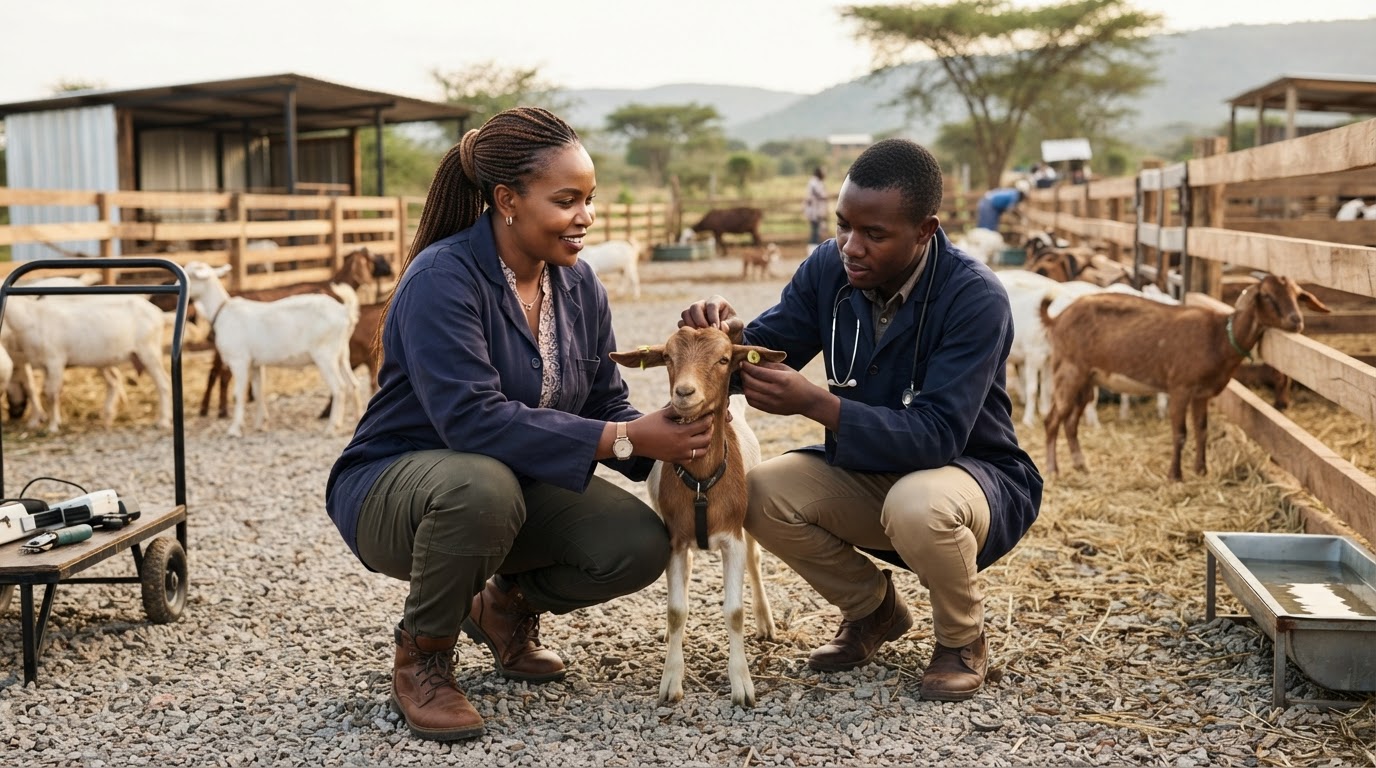
4. Establish a Veterinary Health Plan
Discuss vaccination, parasite monitoring, hoof care and emergency contacts with a qualified veterinary professional.
5. Monitor the Herd Daily
Look for animals that stop eating, isolate themselves, become weak, cough, develop diarrhoea or show abnormal movement.
6. Keep Treatment Records
Record illness, professional diagnoses, medicines administered, dates, withdrawal periods and treatment outcomes.
Managing Parasites Responsibly
Overuse of dewormers can contribute to drug resistance. A targeted approach based on veterinary advice, local parasite risks, animal condition and diagnostic testing is preferable to indiscriminate treatment.
Biosecurity Checklist
- Inspect every goat for illness daily.
- Keep newly introduced animals separate.
- Provide clean water and feeding equipment.
- Remove wet bedding and maintain drainage.
- Secure veterinary contacts and vaccination records.
- Keep treatment and livestock movement records.
- Isolate suspected sick animals and contact a veterinarian.
Frequently Asked Questions
What should I do if several goats become sick suddenly? Separate affected animals where safe to do so and contact a veterinarian immediately. Follow official reporting and movement restrictions where applicable.
Can all goat diseases be prevented through vaccination? No. Vaccines protect against particular diseases where approved and available. Nutrition, hygiene, biosecurity and parasite management remain essential.
How often should goats be dewormed? There is no appropriate universal schedule. Deworming decisions should reflect local conditions, diagnostic information and veterinary recommendations.