Category: Cattle & Dairy Farming | Small Farm Business Model
Introduction
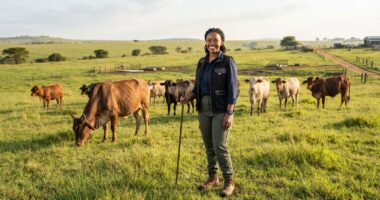
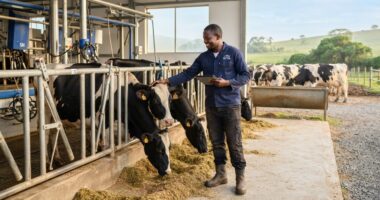
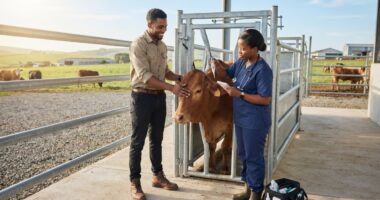
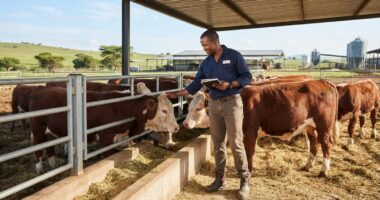
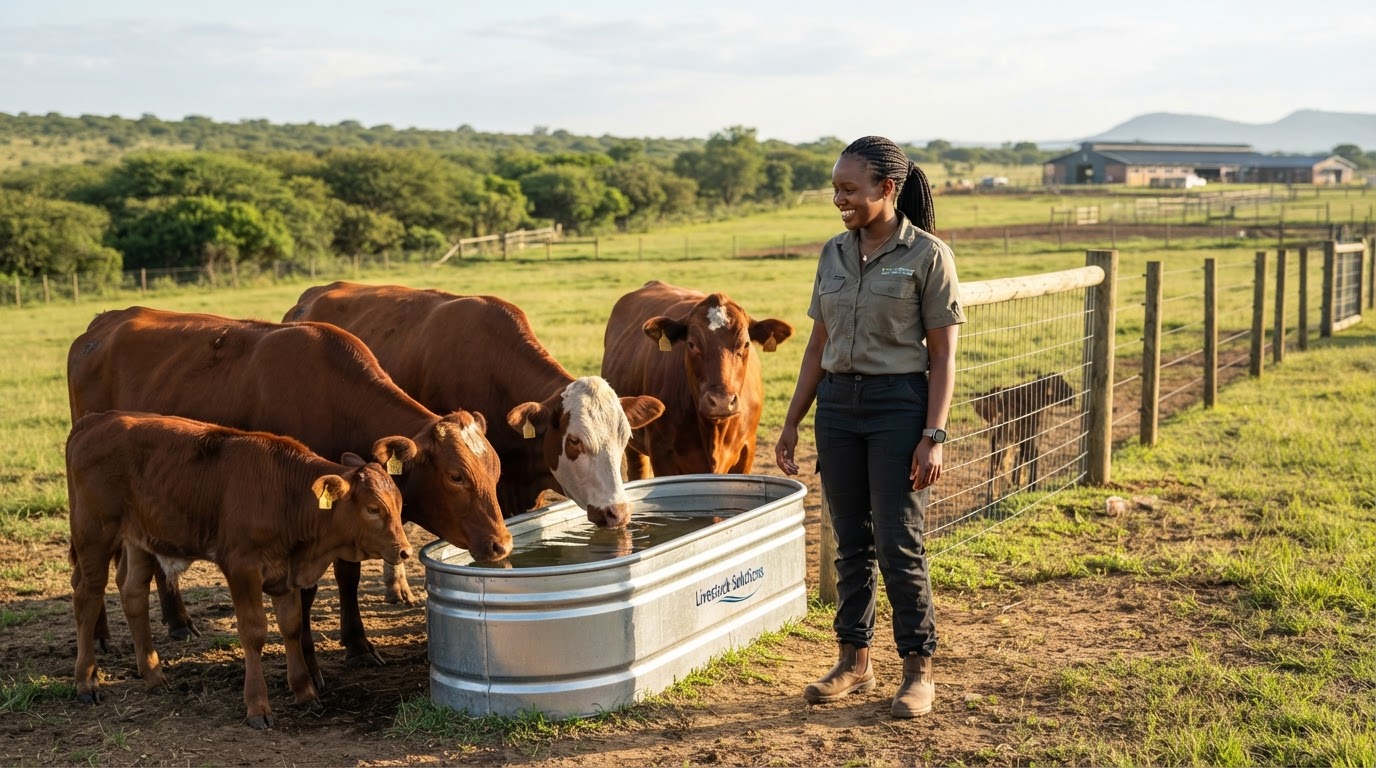
A five-cow beef farming project is an accessible starting scale for farmers who already possess suitable land and have access to grazing, water and veterinary assistance.
The project can help beginners learn cattle breeding, herd health management and livestock marketing before expanding into a larger herd.
However, five cows generally produce only a small number of calves each year, so the business should be evaluated as a gradual asset-building or supplementaryincome enterprise.
1. Decide How Your Five-Cow Herd Will Operate
A practical model is to purchase five breeding females and arrange access to a suitable bull or artificial insemination service.
A separate model involves purchasing five growing cattle for finishing and resale.
These enterprises have different financial characteristics. This guide focuses on beef breeding.
2. Choose Productive Breeding Females
Select animals with good body condition, functional legs and hooves, a suitable reproductive history, and no obvious disease symptoms.
Where possible, obtain pregnancy and reproductive examinations before purchasing animals. Avoid paying premium prices for livestock with uncertain age, breeding performance or health records.
3. Example Startup Budget
Estimated
Expense
                                cost

Five breeding cows              $3,000

Breeding service or bull
                                $200
access

Fencing repairs                 $450

Water supply
                                $250
improvements

Dry-season forage reserve       $500

Veterinary expenses             $180

Transport and equipment         $220

Contingency                     $350

Total                           $5,150
This scenario assumes land is already owned or legally accessible.
4. Estimate Annual Calf Production
Suppose five breeding cows achieve an 80% annual calving rate.
Expected births:
5 × 0.80 = 4 calves
Assuming all four calves survive to the intended sales stage, there may be four animals to sell or retain.
But calving rates, calf survival, growth and sale ages can vary substantially.
5. Calculate Potential Revenue
Assume four calves are sold at an average price of $300 each.
4 × $300 = $1,200
This is gross sales revenue, not annual profit.
If annual operating costs total $900, the resulting cash operating surplus would be approximately $300 before depreciation, finance costs and any unpaid labour.
A single additional veterinary expense or calf loss could significantly reduce that margin.
6. Plan Breeding and Calving Around Feed Availability
Late pregnancy and early lactation increase nutritional demands.
Where possible, arrange the breeding season so that cattle have access to adequate forage during the period when demands are highest.
Farmers in Zimbabwe’s drier regions, for example, should prepare for reduced grazing quality during the dry season.
7. Protect Your Investment
Identify animals, maintain ownership records, use secure fencing, and monitor cattle movement.
Keep up-to-date health and breeding records and confirm local livestock movement obligations before sales.
8. Expand Gradually
Growth can be achieved by retaining selected heifers, improving calving performance and developing forage resources.
Do not retain more animals than your land and feeding program can support.
Frequently Asked Questions
Is five cows enough for a beef farming business?
It is a reasonable starting herd, but income may be low and irregular.
How many calves can five cows produce? The actual number depends on conception, pregnancy outcomes and herd management. Four calves per year is one illustrative outcome.
Should I buy a bull for five cows?
A purchased bull may be too expensive for a small herd. Explore reliable breeding services and associated disease controls.