Category: Cattle & Dairy Farming | Breeds & Climate Guide
Introduction
Selecting the right cattle breed is one of the most important decisions in beef or dairy farming. African livestock systems range from hot semi-arid rangelands to humid lowlands and cooler highland farming areas. A breed that performs well in one region may struggle in another because of heat stress, disease pressure, forage quality or feed costs.
The best breed is therefore the one that performs reliably under the farmer’s conditions, rather than the one with the highest theoretical production potential.
1. Popular Beef Cattle Breeds in Africa
Boran Cattle
Boran cattle have a long history in East African livestock production, particularly in Kenya and Ethiopia.
They are widely used in beef systems, including areas with seasonal heat and forage constraints.
Their suitability depends on local genetics and management conditions.
Nguni Cattle
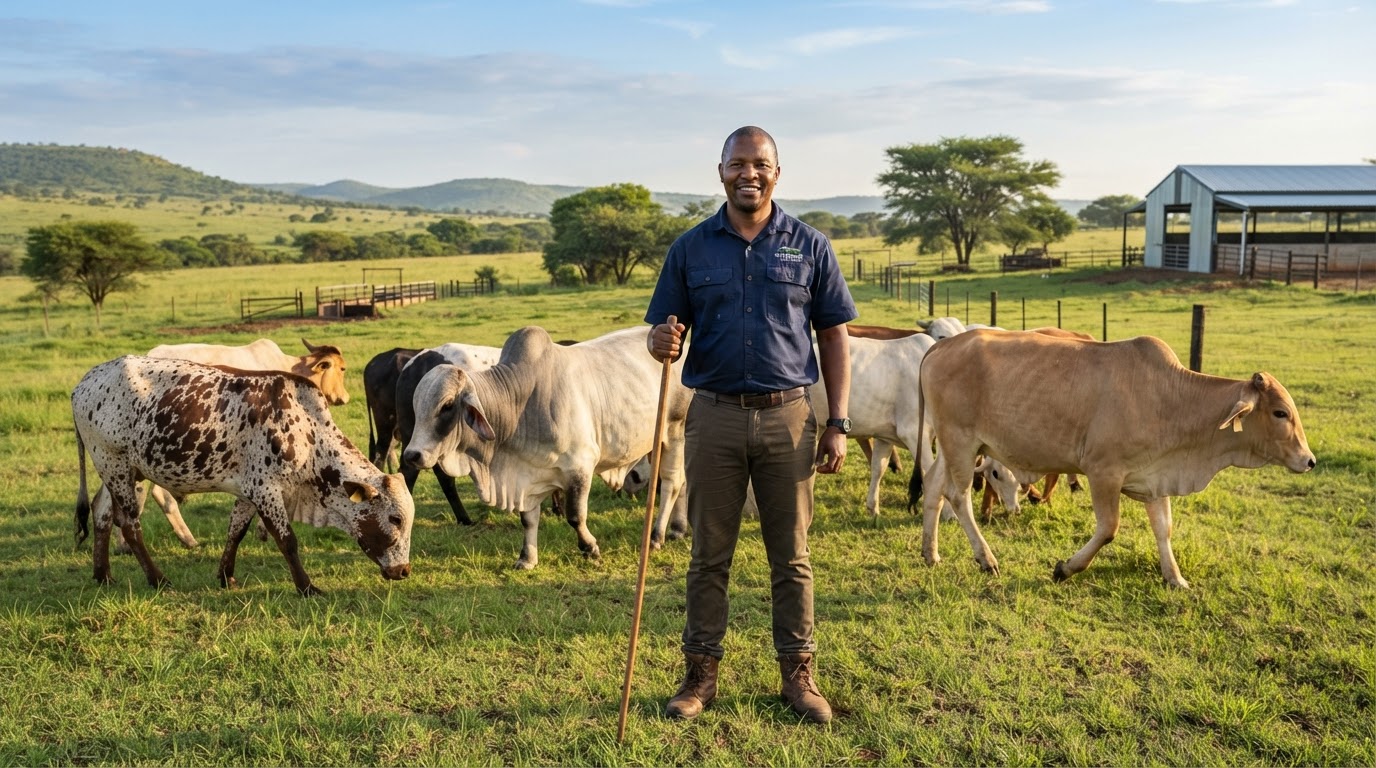
Nguni cattle are an indigenous Southern African cattle type valued for their role in extensive livestock systems.
They are generally smaller than some large European beef breeds and are associated with adaptation to demanding grazing environments.
Tuli Cattle
Tuli cattle originated in Zimbabwe and are used in beef farming systems where fertility, adaptation and productive performance are important.
They are worth considering for farmers in Southern Africa who have access to suitable breeding stock.
Mashona Cattle
Mashona cattle are indigenous to Zimbabwe and are used in local beef and mixed farming systems.
Their adaptation makes them especially relevant when comparing breeds for lower-input cattle production.
Brahman Cattle
Brahman cattle are commonly used in hot-climate beef systems and crossbreeding programs.
They may be useful where heat tolerance is important, although good nutrition and management remain essential.
Bonsmara Cattle
Bonsmara cattle were developed in South Africa and are used in beef production systems.
They may suit farmers seeking commercial beef characteristics where feeding and management resources are appropriate.
The FAO recognizes a wide range of African cattle genetic resources, including Boran, Mashona, Tuli and Nguni populations.
2. Popular Dairy Cattle Breeds
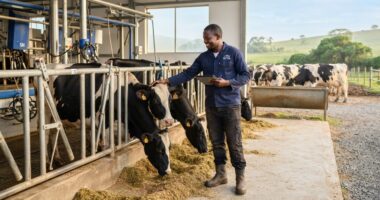
Holstein-Friesian
High milk-production potential under good nutrition, health and heatmanagement conditions.
Jersey
Relatively smaller dairy breed, known for milk with comparatively high butterfat concentration.
Other dairy options include Ayrshire and suitable crossbred dairy cattle. Crossbreeding may combine productivity traits with local adaptation, but outcomes depend on the specific animals and breeding strategy.
3. Breed Selection by Climate
Farming environment Breeds or types to evaluate Main consideration
Hot, semi-arid            Boran, Brahman, suitable
                                                         Feed and water availability
rangeland                 indigenous cattle

Southern African          Nguni, Mashona, Tuli, other    Adaptation and
extensive grazing         adapted local breeds           reproductive performance

Cooler, productive        Dairy breeds and appropriate
                                                         Milk yield and feed supply
highlands                 crosses

Hot dairy production                                     Heat management and
                          Adapted dairy crosses
areas                                                    disease control

Humid, disease-                                          Veterinary support and
                          Locally adapted cattle
challenged regions                                       disease exposure
This table is a starting point for research, not a universal breed prescription.
4. Indigenous vs Exotic Cattle
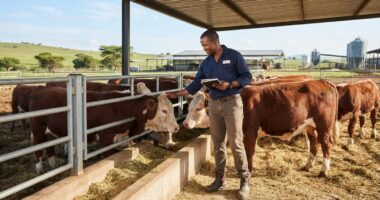
Indigenous cattle may offer advantages in adaptation to local environmental conditions. Specialized beef and dairy breeds may offer greater production potential when management is adequate.
Farmers should compare lifetime performance rather than only live weight or daily milk yield.
A breed that requires expensive feed and intensive care may produce less profit than a locally adapted breed with lower output but lower operating costs.
5. How to Select Breeding Stock
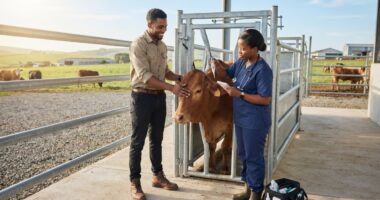
Examine animal health, age, structural soundness, reproductive records and the reliability of the breeder.
For dairy cattle, request credible milk-production and calving records. For beef cattle, consider growth, reproductive efficiency, temperament and the local market’s requirements.
Frequently Asked Questions
Which cattle breed is best for Zimbabwe?
Mashona, Tuli, Nguni, Brahman and suitable commercial breeds are among the options to evaluate. The best choice depends on the farm.
Are Holstein cows suitable for hot African climates?
They can be raised successfully with adequate nutrition, shade, water and heatstress management. Their performance may be reduced under poorly managed hot conditions.
Are indigenous cattle profitable?
They can be, especially where their adaptation helps reduce production losses and operating costs.